



Connecting Art and Industry
EEW Art visualises what drives us – and invites dialogue on art, sustainability, and the values that shape our work at EEW.
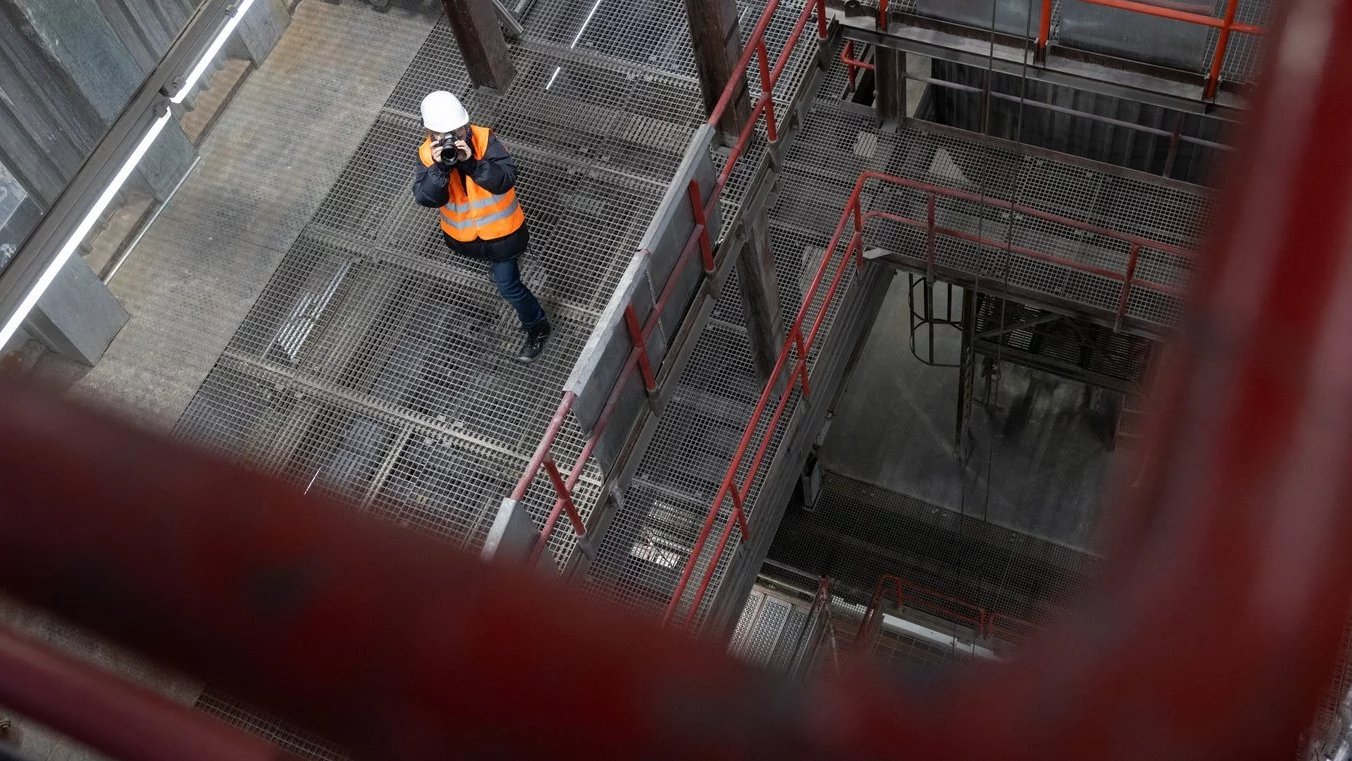
Since 2020, we have been inviting photographers to take an artistic look at our facilities, our processes, and especially the people behind EEW. The resulting commissioned works offer fresh and sometimes unexpected perspectives on our core business. They become part of our sustainability reporting and are exhibited permanently at our sites as part of the company collection. Some of the works have been shown at international venues such as Paris Photo. One of the participating artists was even nominated for the renowned Prix Pictet – the world’s leading photography prize in the field of sustainability.
EEW Art #4
Sjoerd Knibbeler
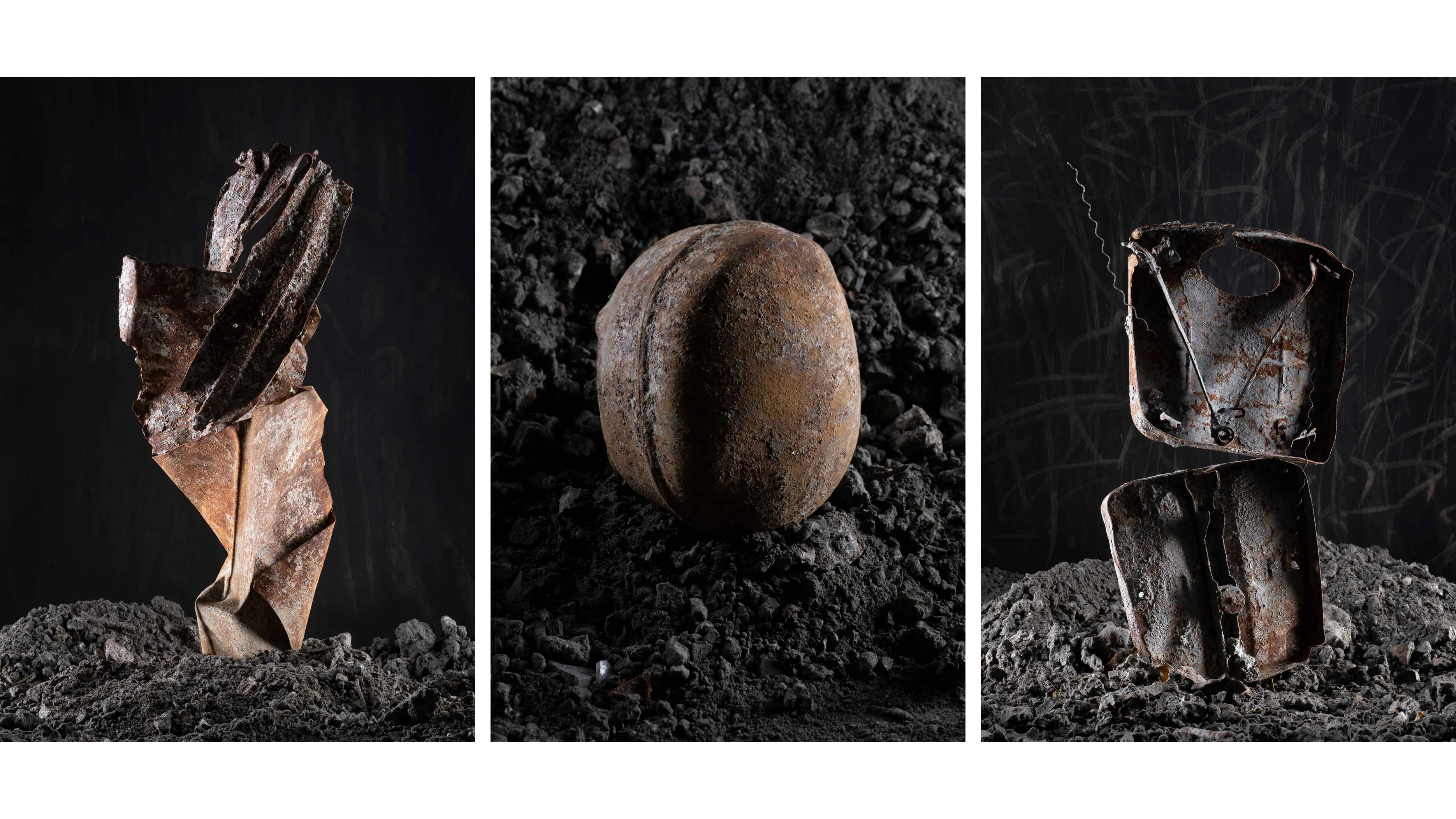
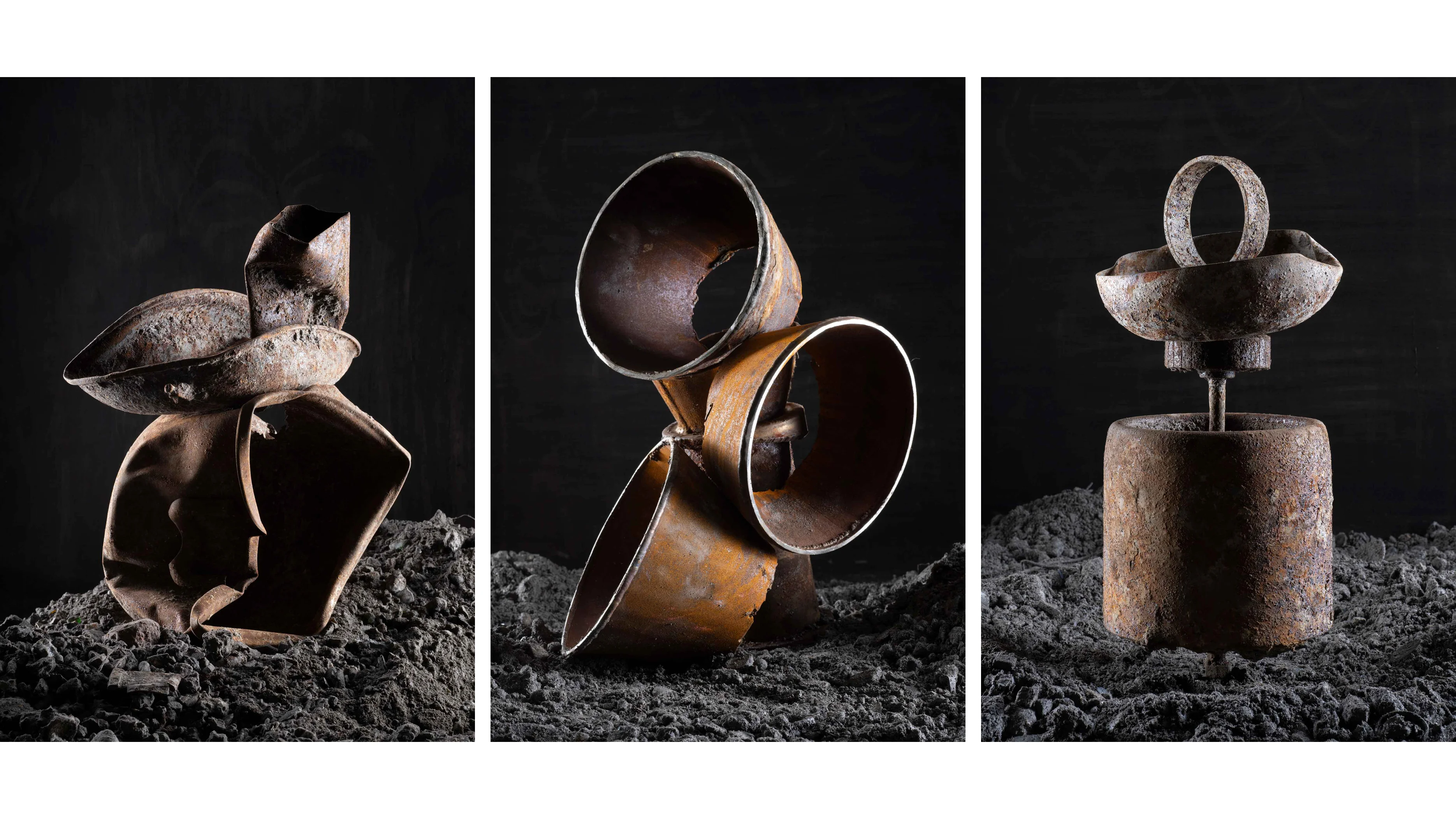
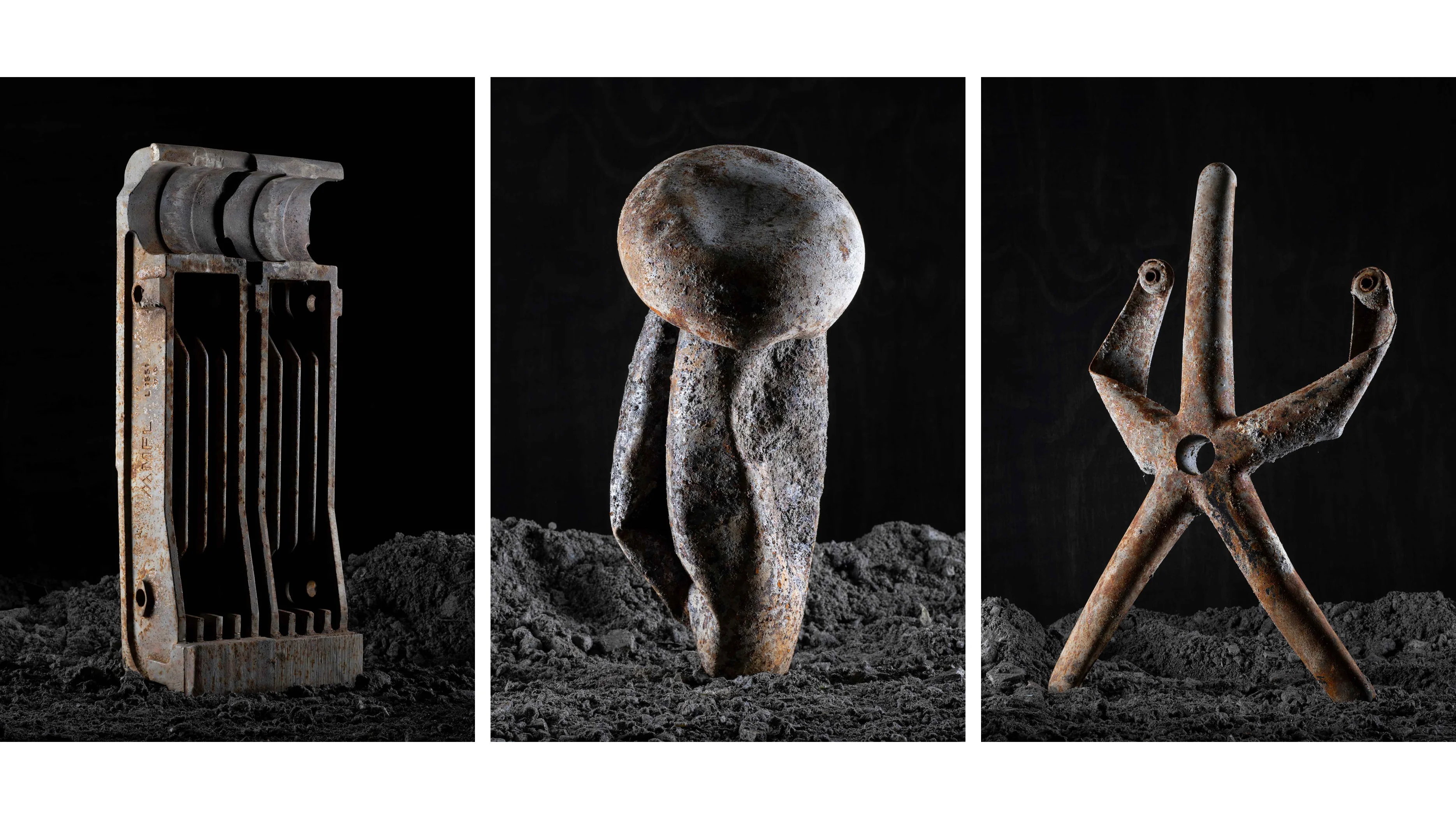
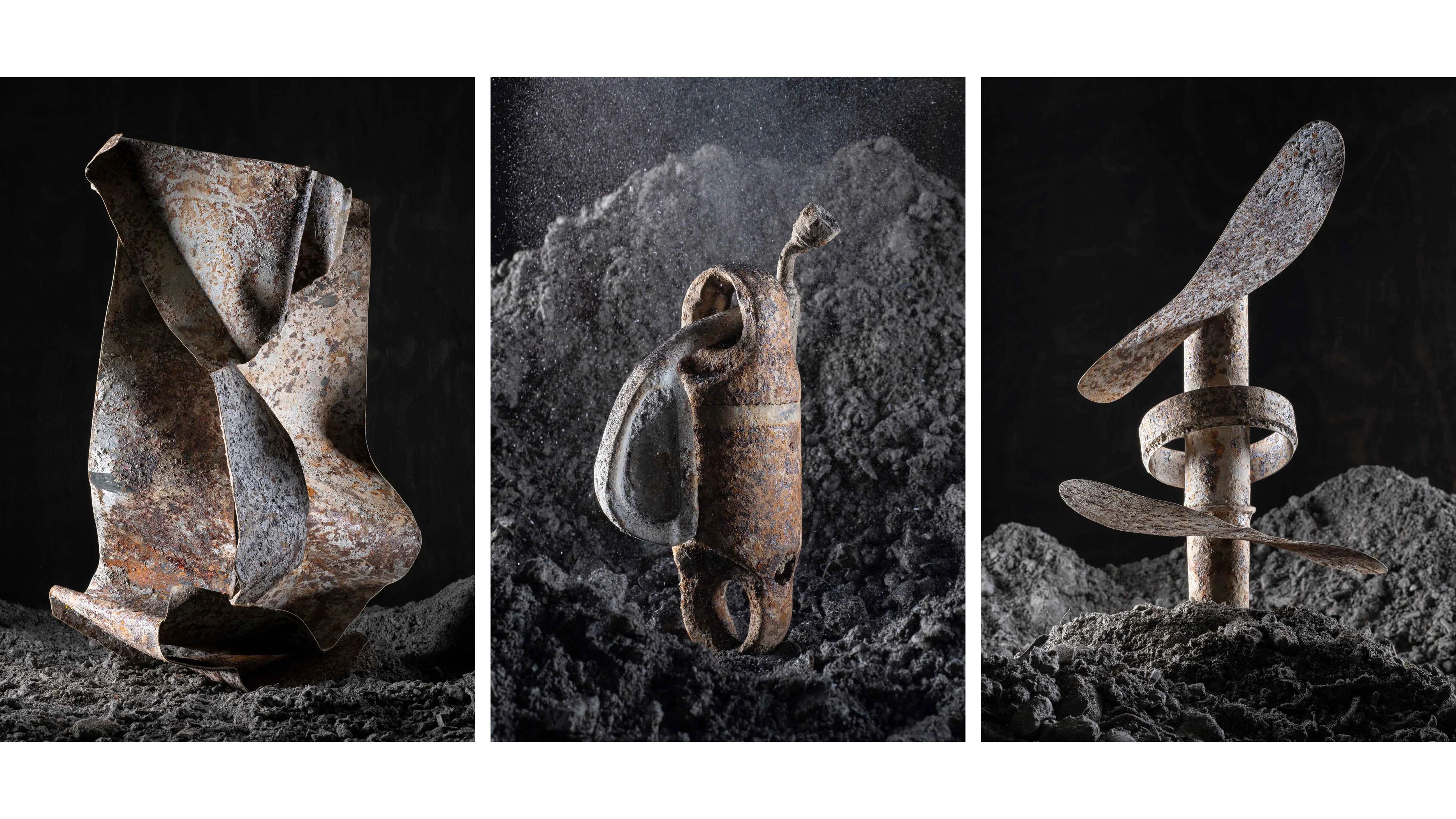
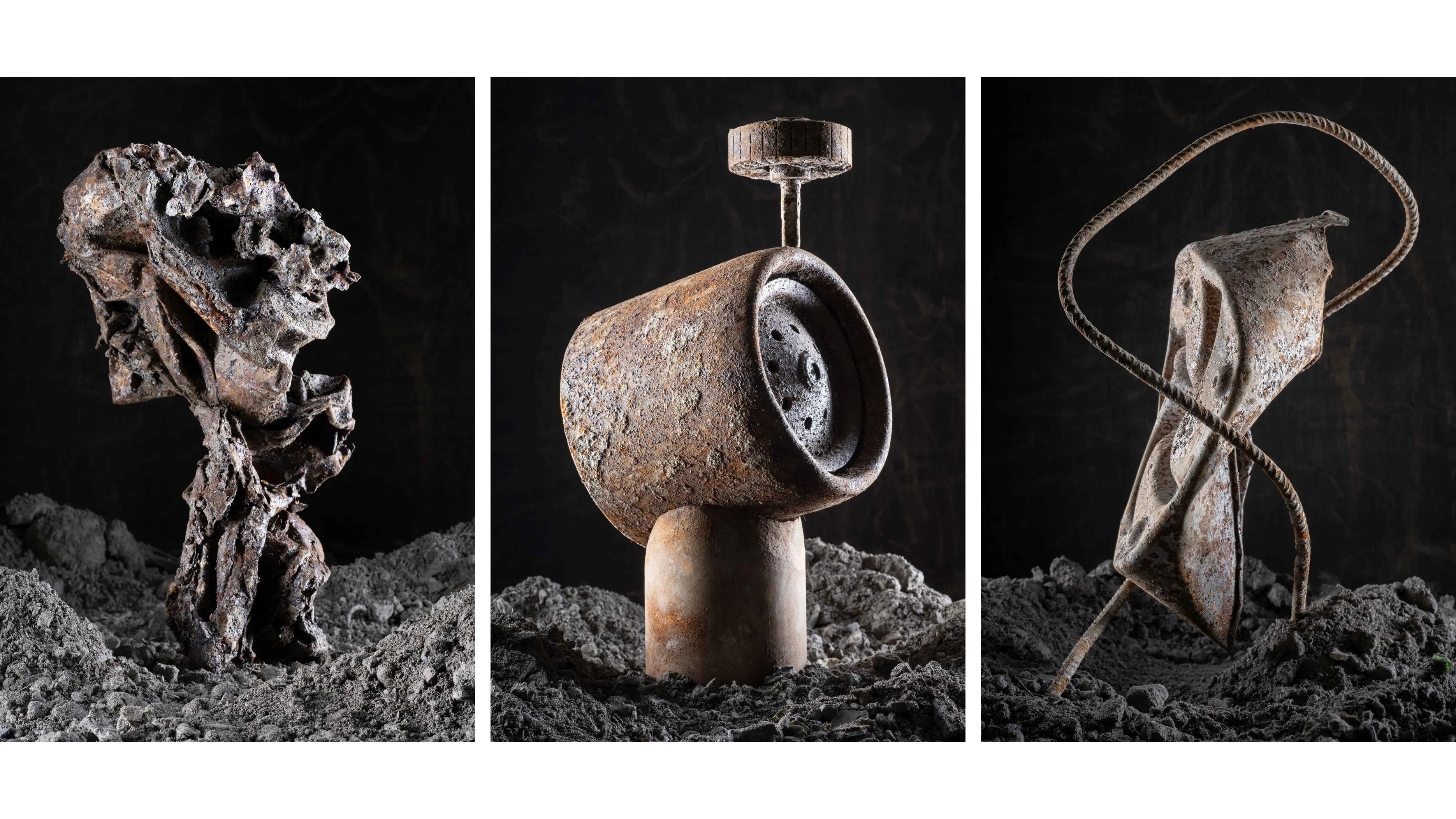
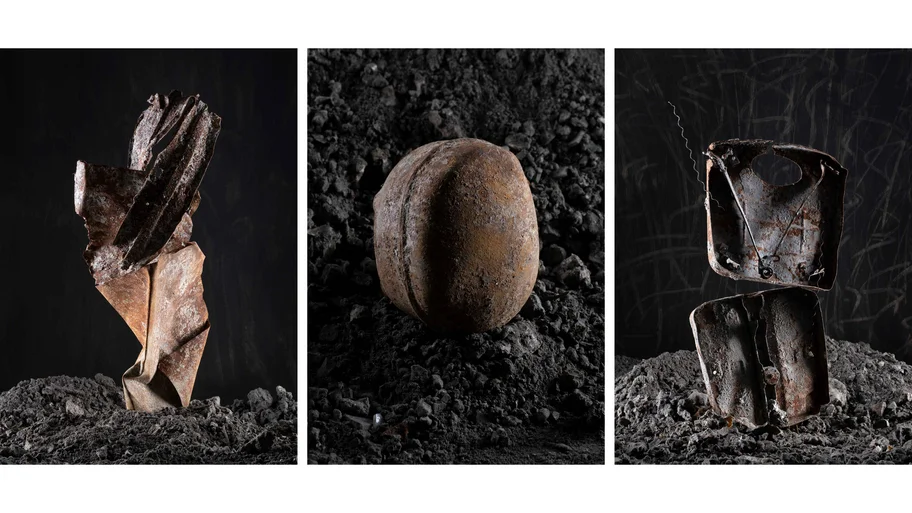
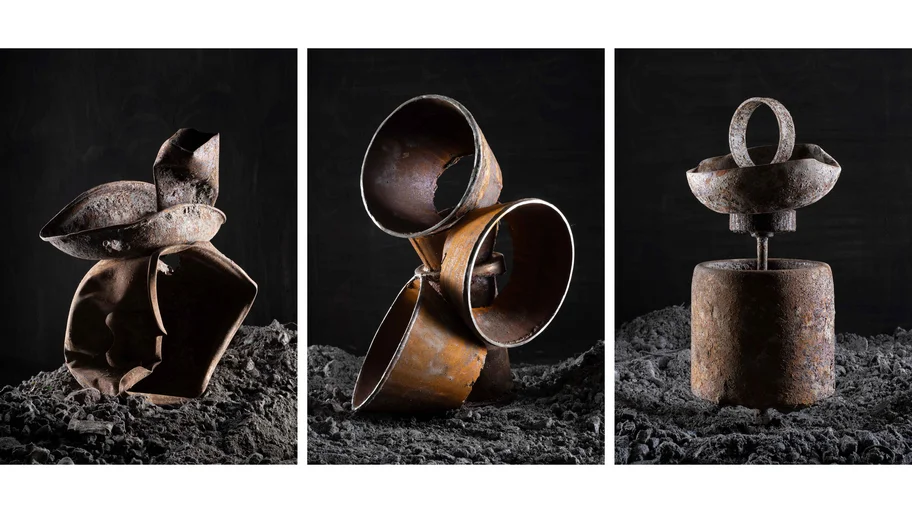
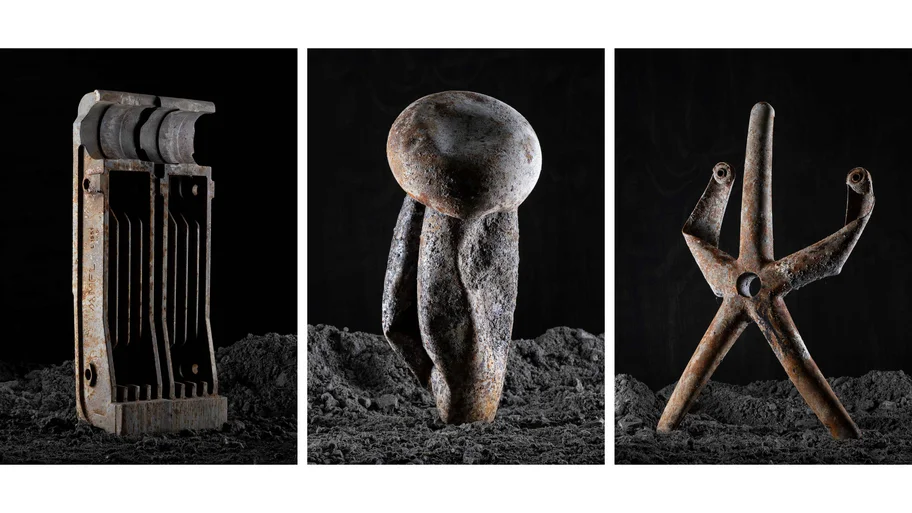
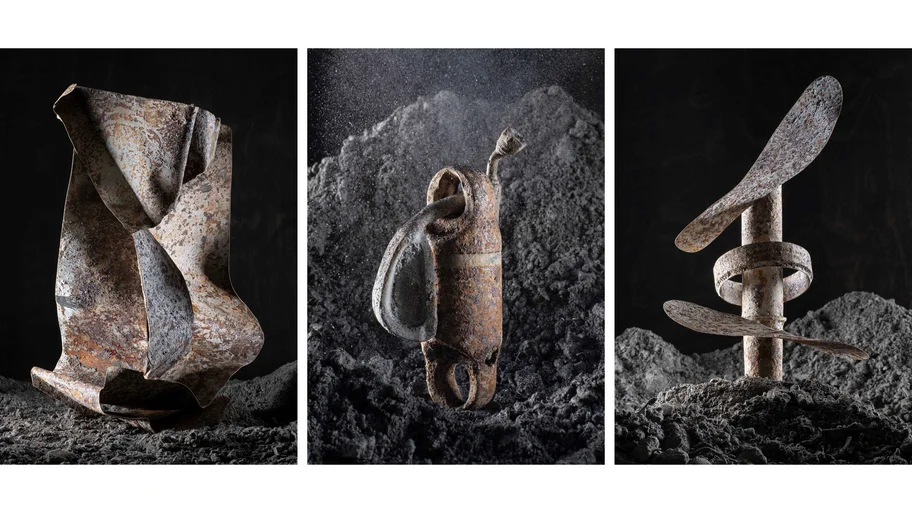
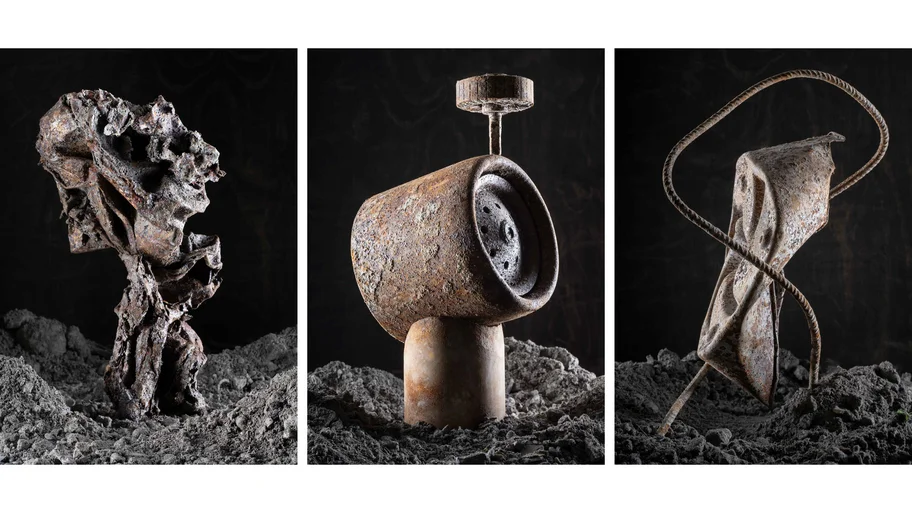
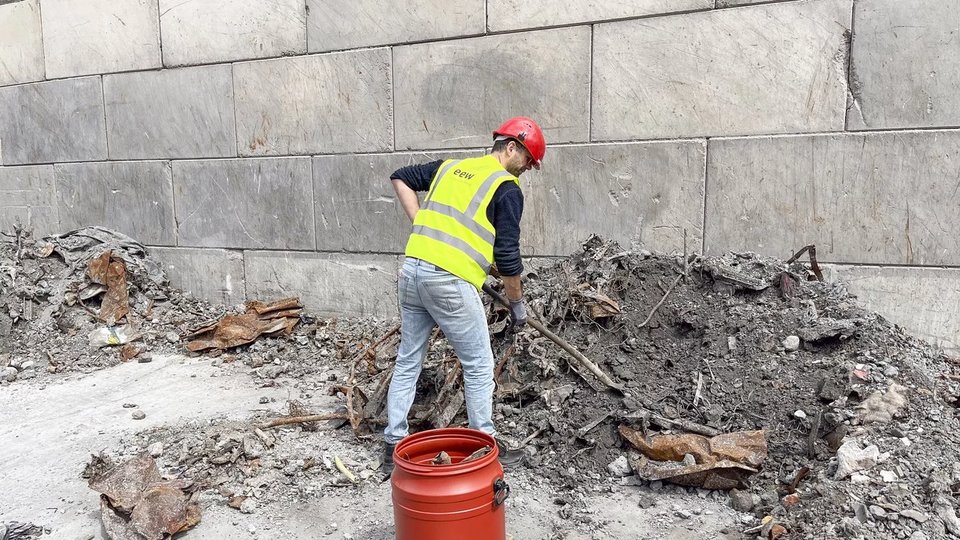
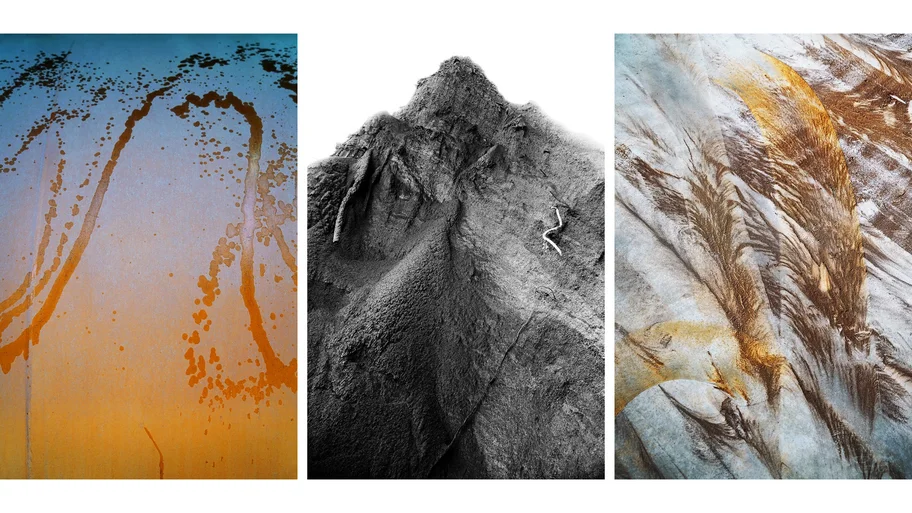
In 2023, Sjoerd Knibbeler embarked on a search for traces at the EEW site in Delfzijl, the Netherlands. There, he photographed materials from the incineration process and developed a new body of work that combines elements of photography and sculpture.
Carrier highlights
Sjoerd Knibbeler studied photography at the Royal Academy of Arts in The Hague. His photographs, sculptures, video installations and art books are found in numerous corporate collections as well as public and private collections, including the Nederlands Fotomuseum, the Foam Photography Museum, the Dutch Ministry of Economic Affairs and Climate Policy and Ministry of Foreign Affairs.
Artistic perspective
At the heart of Knibbeler’s work lies the process of transformation – from waste to energy, from function to form, from the hidden to the visible. He was particularly fascinated by the mountains of slag left behind at the end of the incineration process, where fragments of ceramic, glass, and metal remain.
He approached these remnants of everyday life like modern flotsam – tangible traces of human use. In his studio, he rearranged them into temporary sculptures, which he then captured photographically. His work speaks of change, memory, and appreciation for what may seem worthless – offering an unusual perspective on what remains after the fire.
EEW Art#3
Lukas Hoffmann
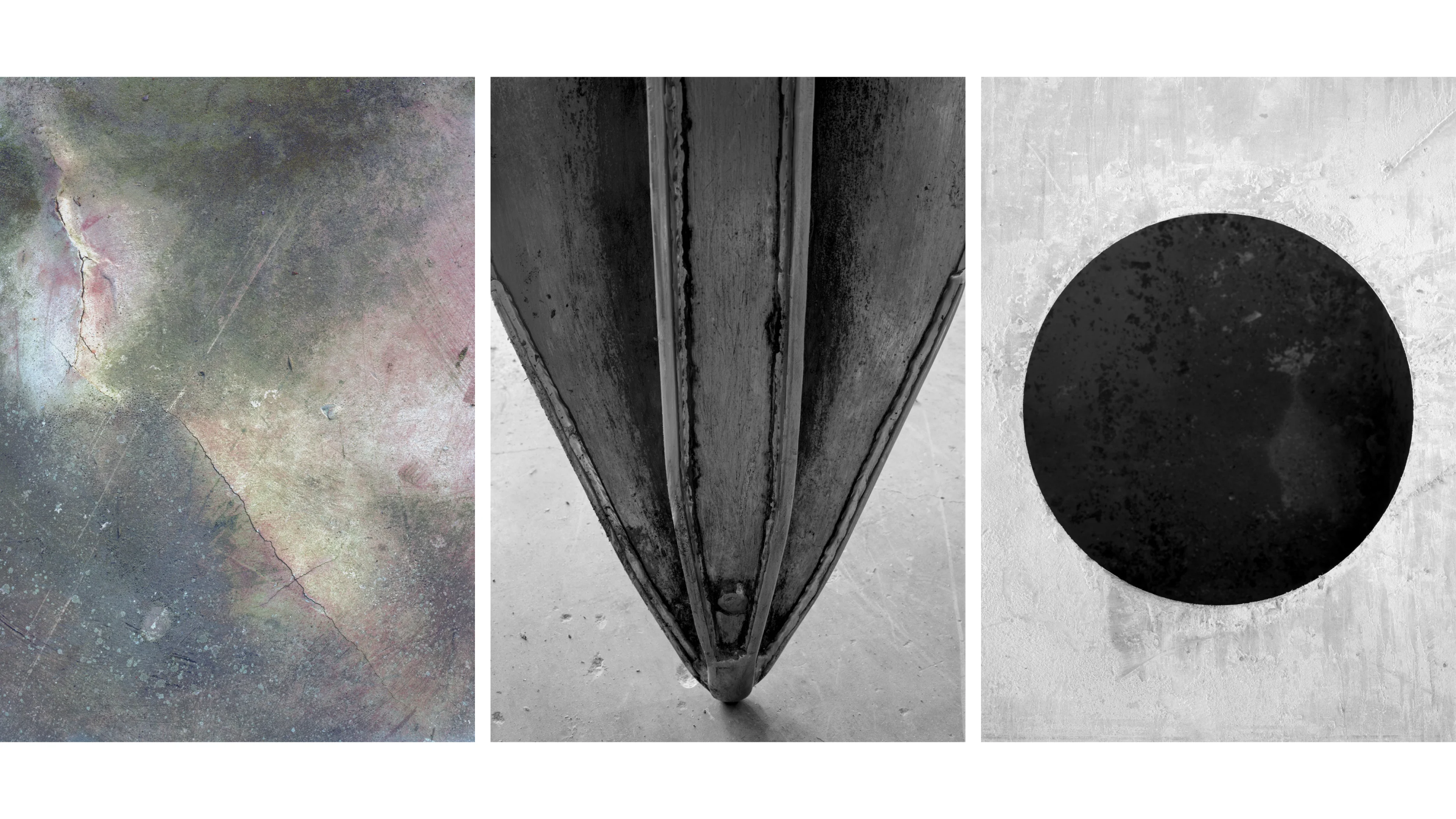
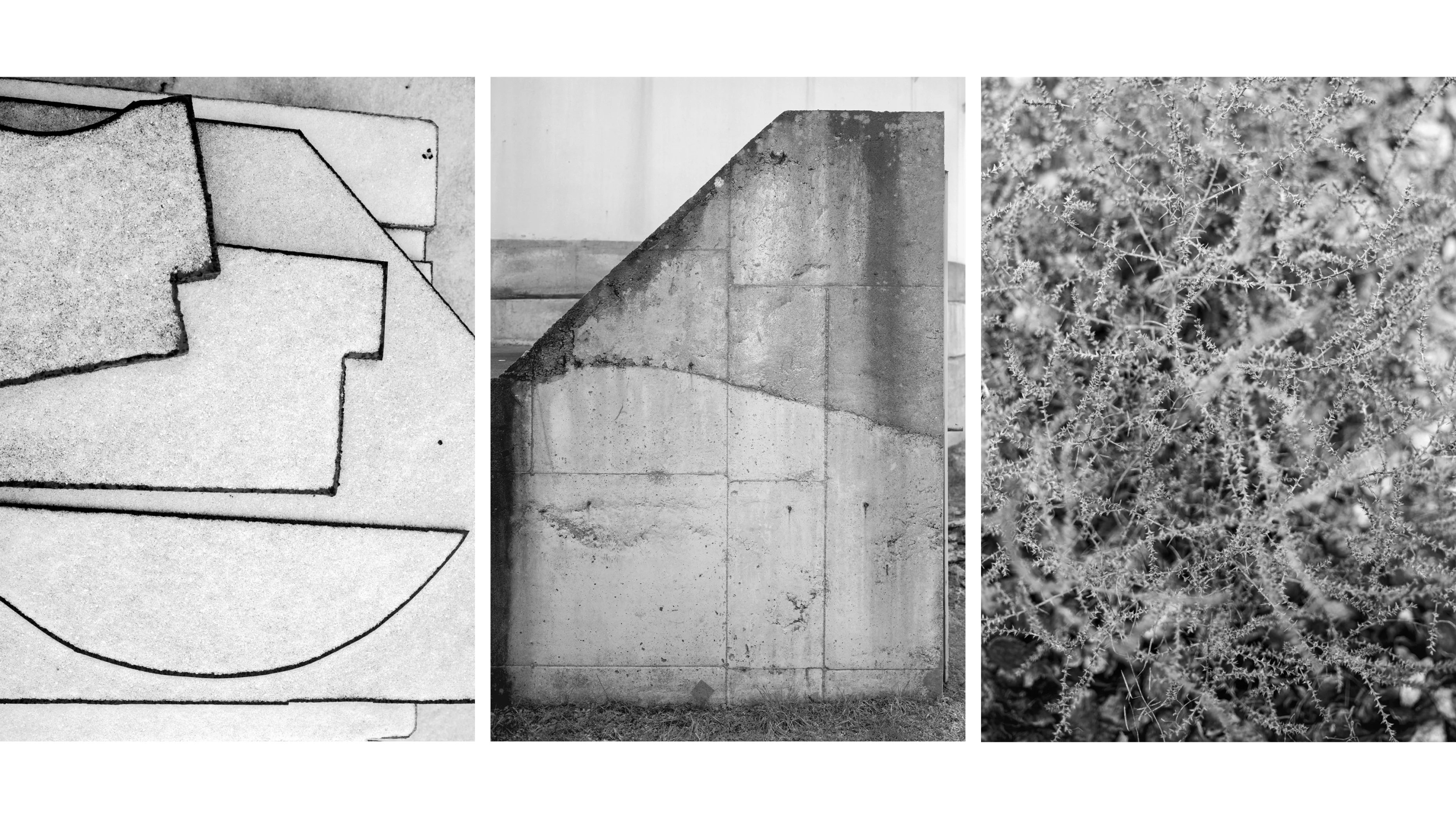
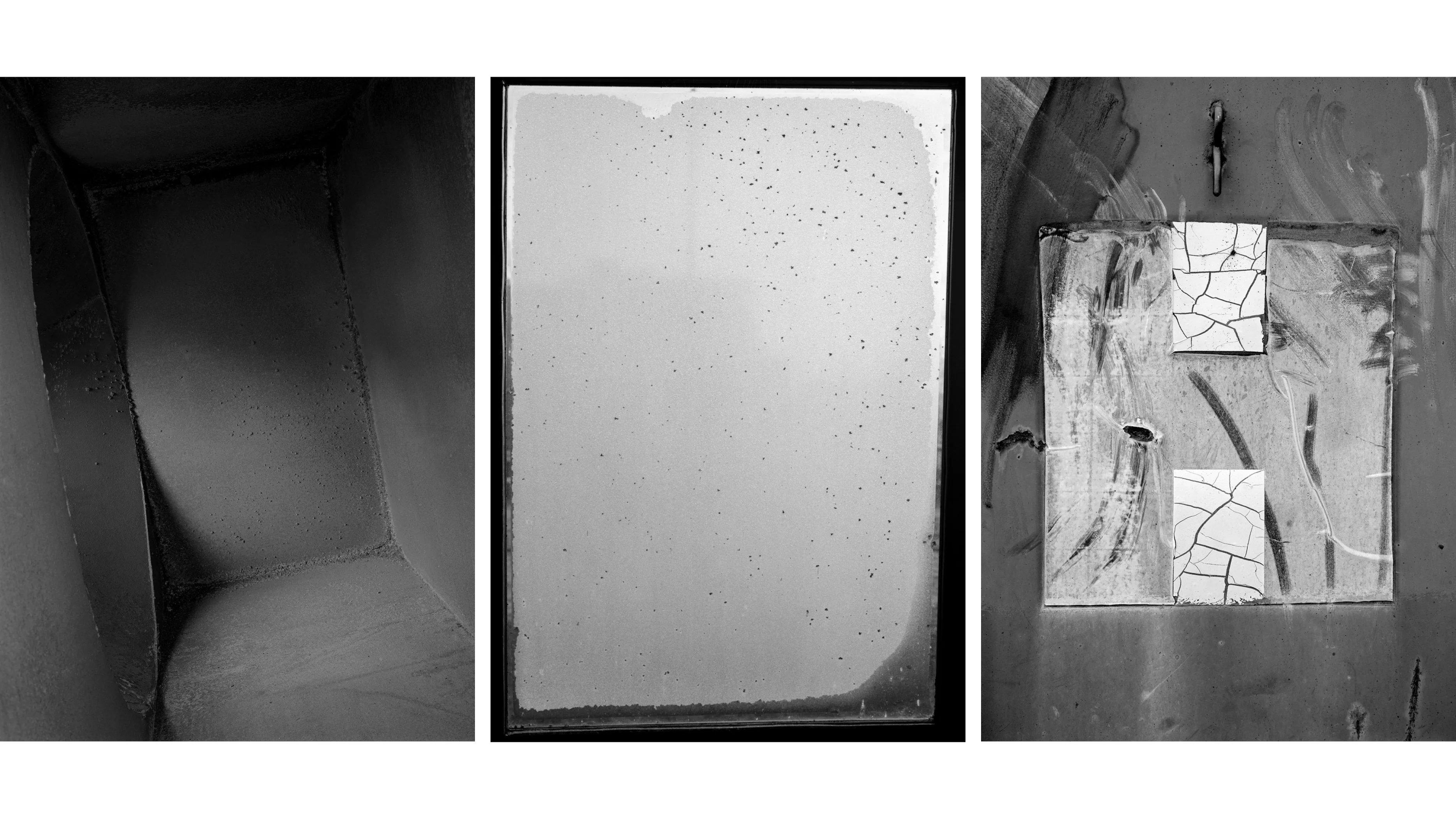
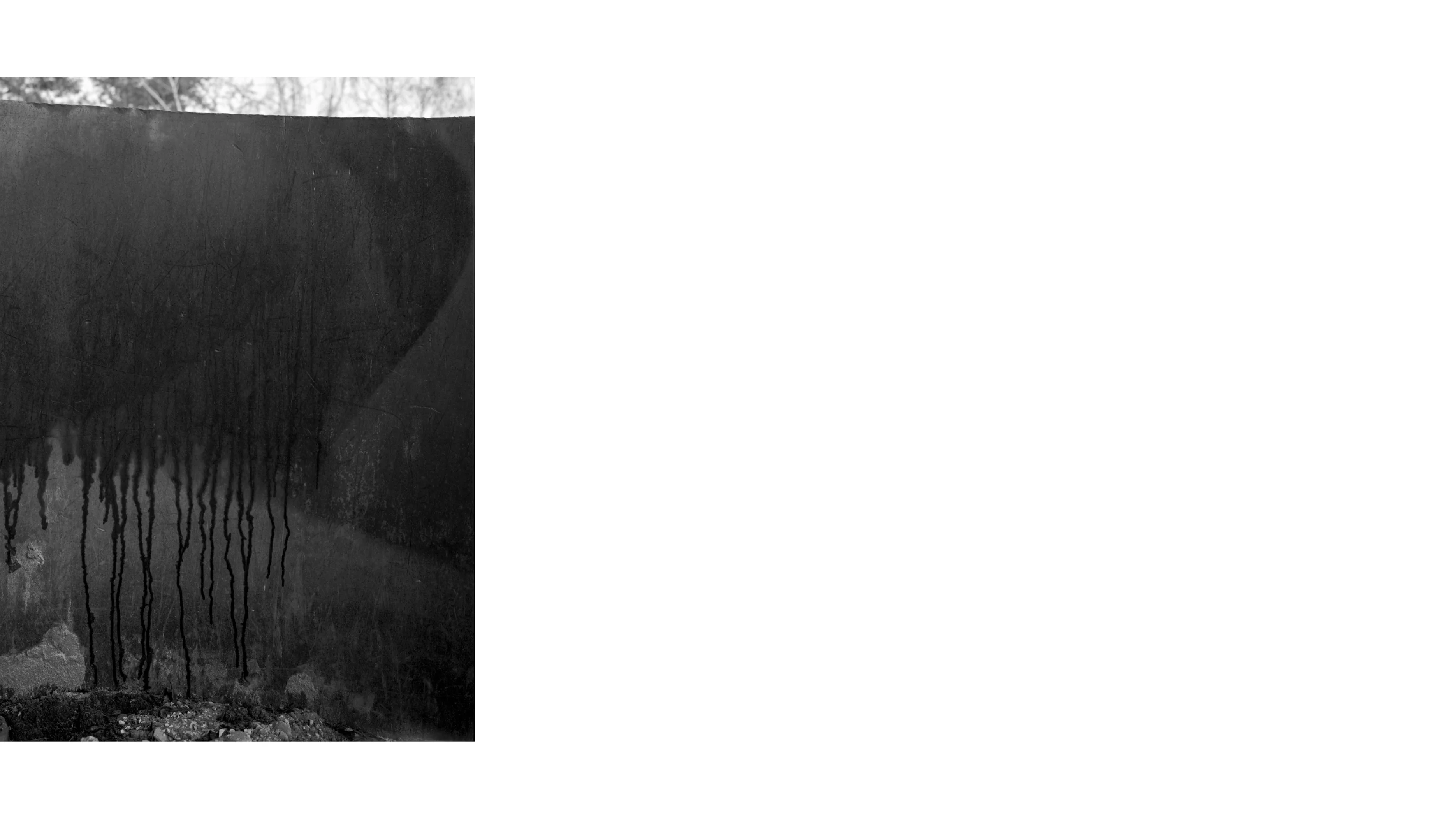
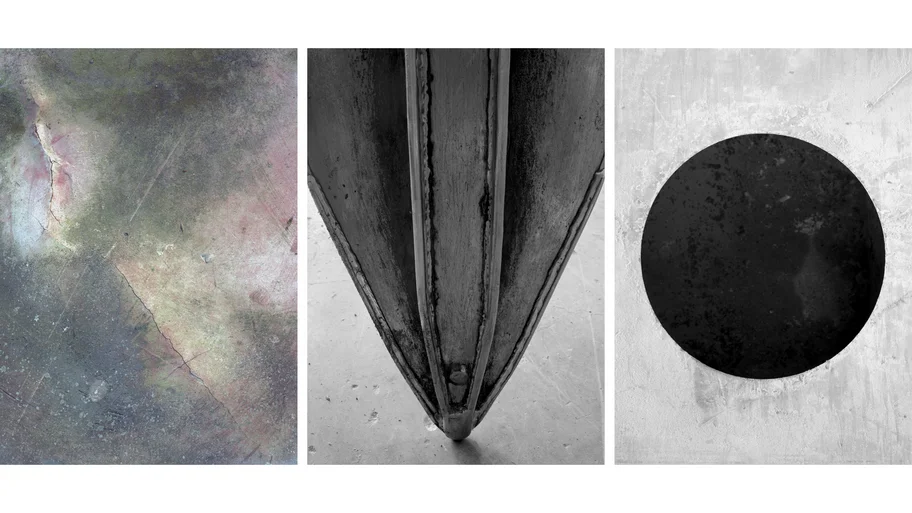
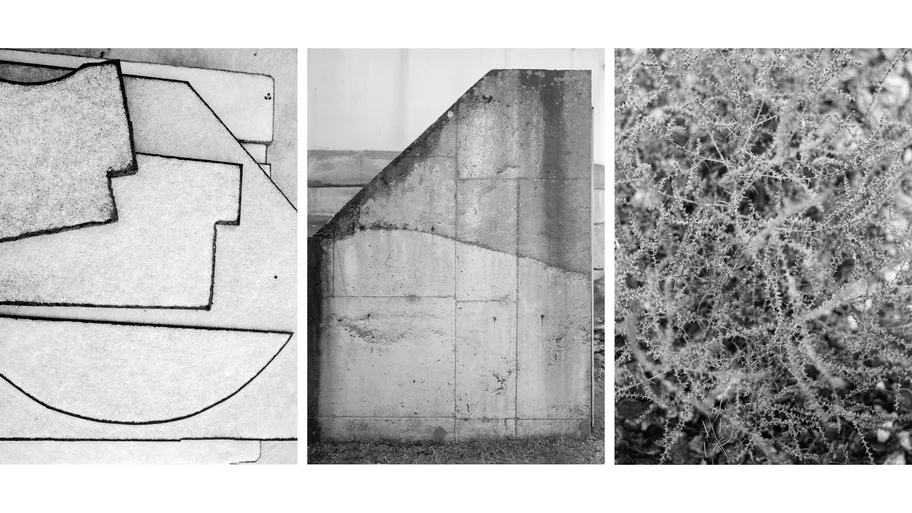
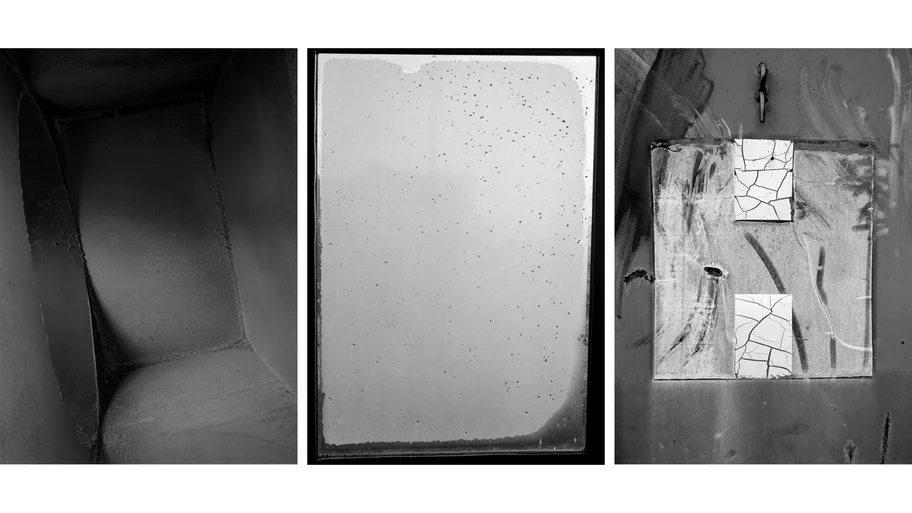
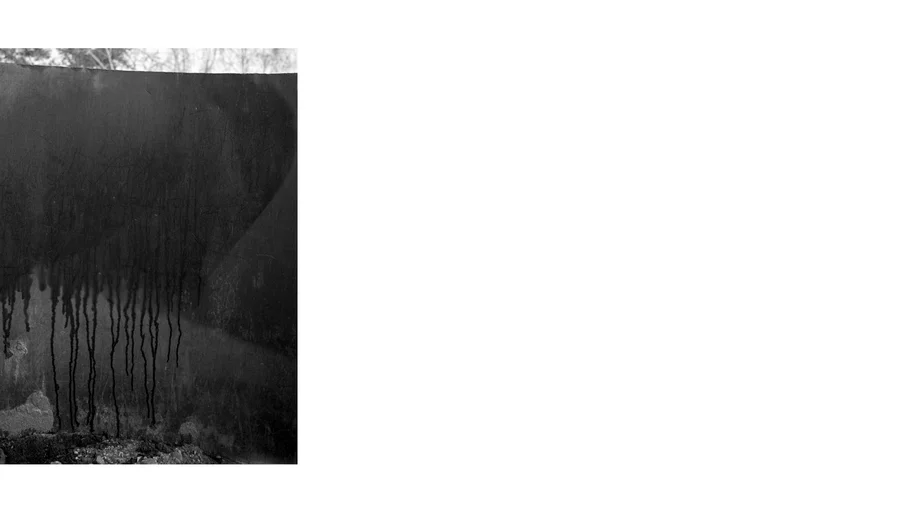
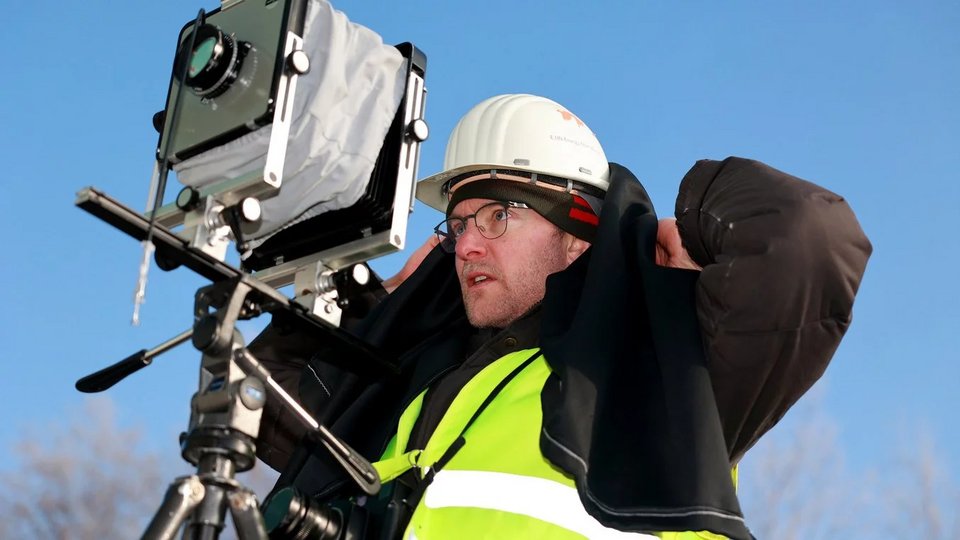
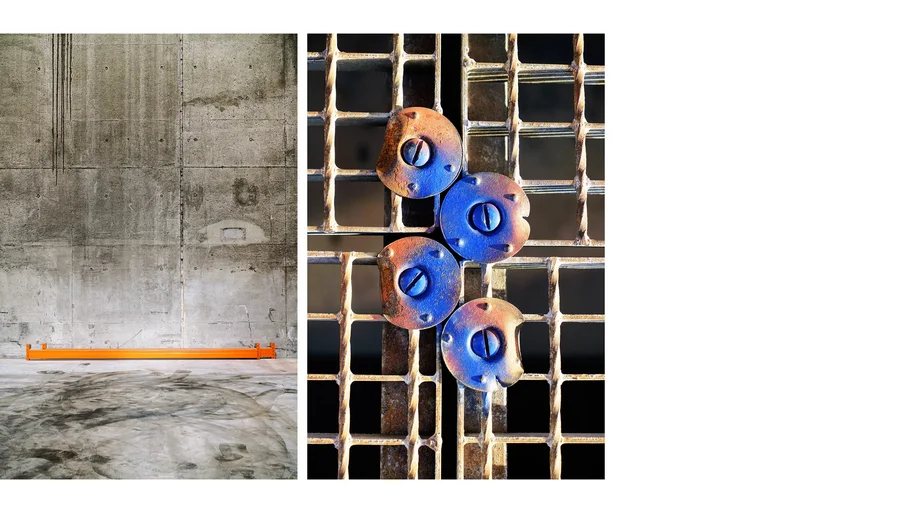
In 2022, Lukas Hoffmann explored the EEW sites in Heringen and Premnitz – using a large-format analogue camera and a sensitivity for the invisible within the visible. Amidst the industrial environment and working with natural light, he created photographic moments that reframe the relationship between structure, space, and meaning.
Career highlights
Hoffmann was born in 1981 in Zug, Switzerland, and studied fine art at École Nationale Supérieure des Beaux-Arts in Paris. His works have been shown in numerous solo and group exhibitions as well as photography festivals and trade shows. They can be found in private and public collections across Europe. The Centre Georges Pompidou in Paris recently purchased some of his works. In addition, he has won prizes and fellowships for his work.
Artistic perspective
At the core of Lukas Hoffmann’s photographic work lies the moment of transition – a play with perception, structure, and meaning. His collaboration with EEW granted him access to places that are usually hidden from view. Within these industrial spaces, he discovers motifs that shift between documentation and abstraction, between function and form.
The photographed scenes inhabit the threshold between clarity and blur, between surface and space. These are tipping points where perception is rearranged. Through a focus on essentials and a deliberate use of omission, his images suggest more than they reveal – offering new perspectives on the familiar.
EEW Art #2
Jessica Backhaus
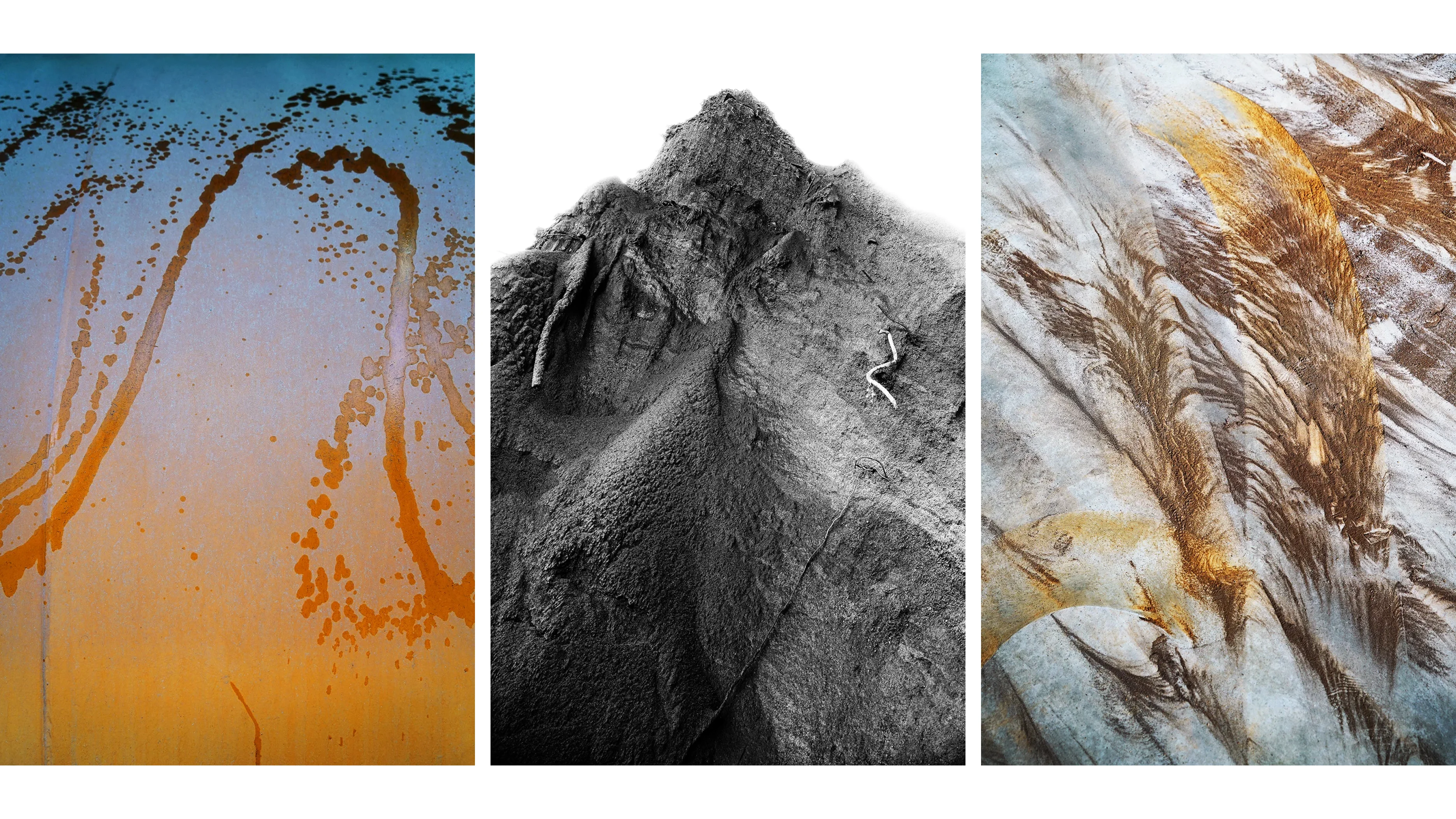
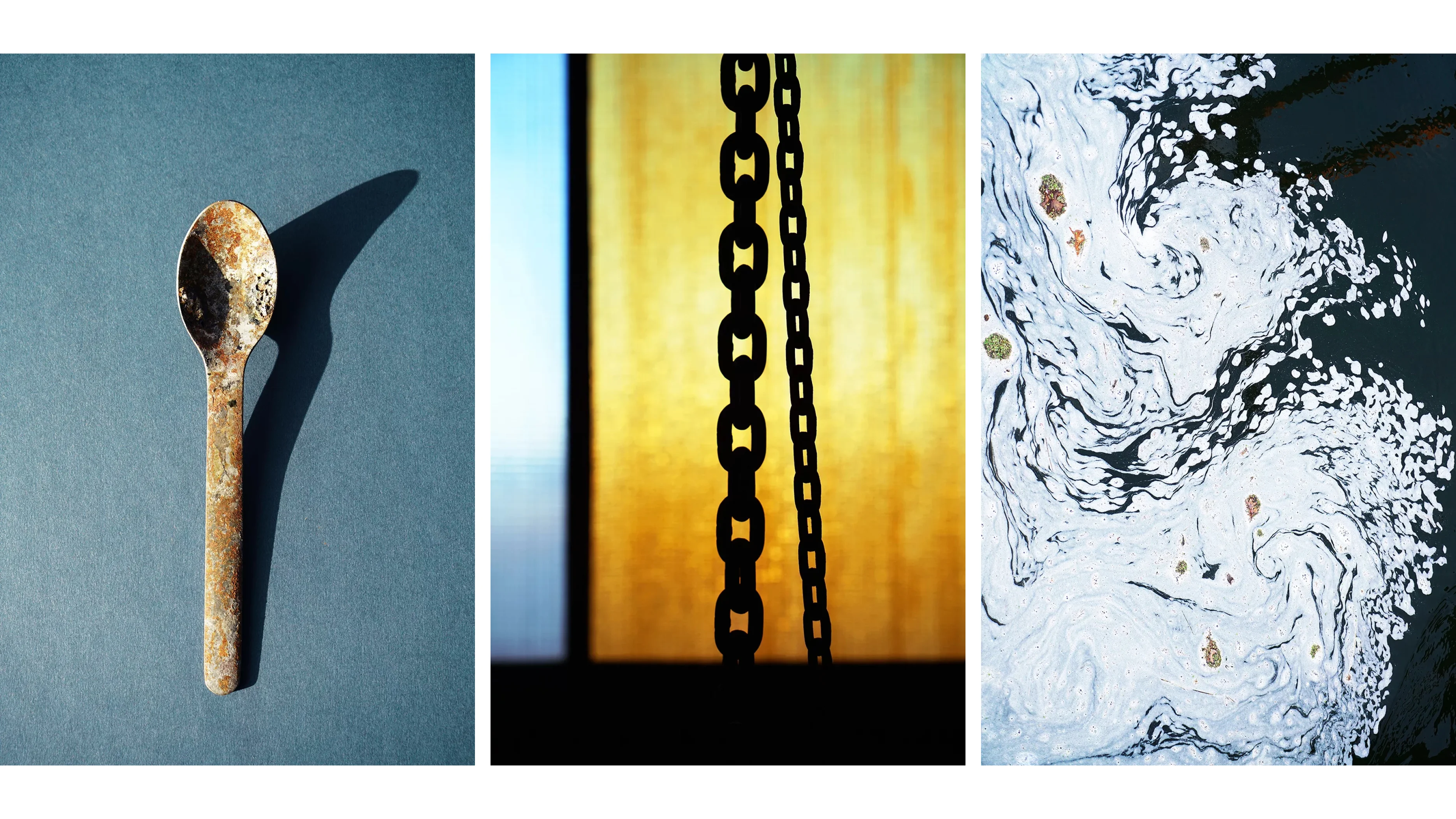
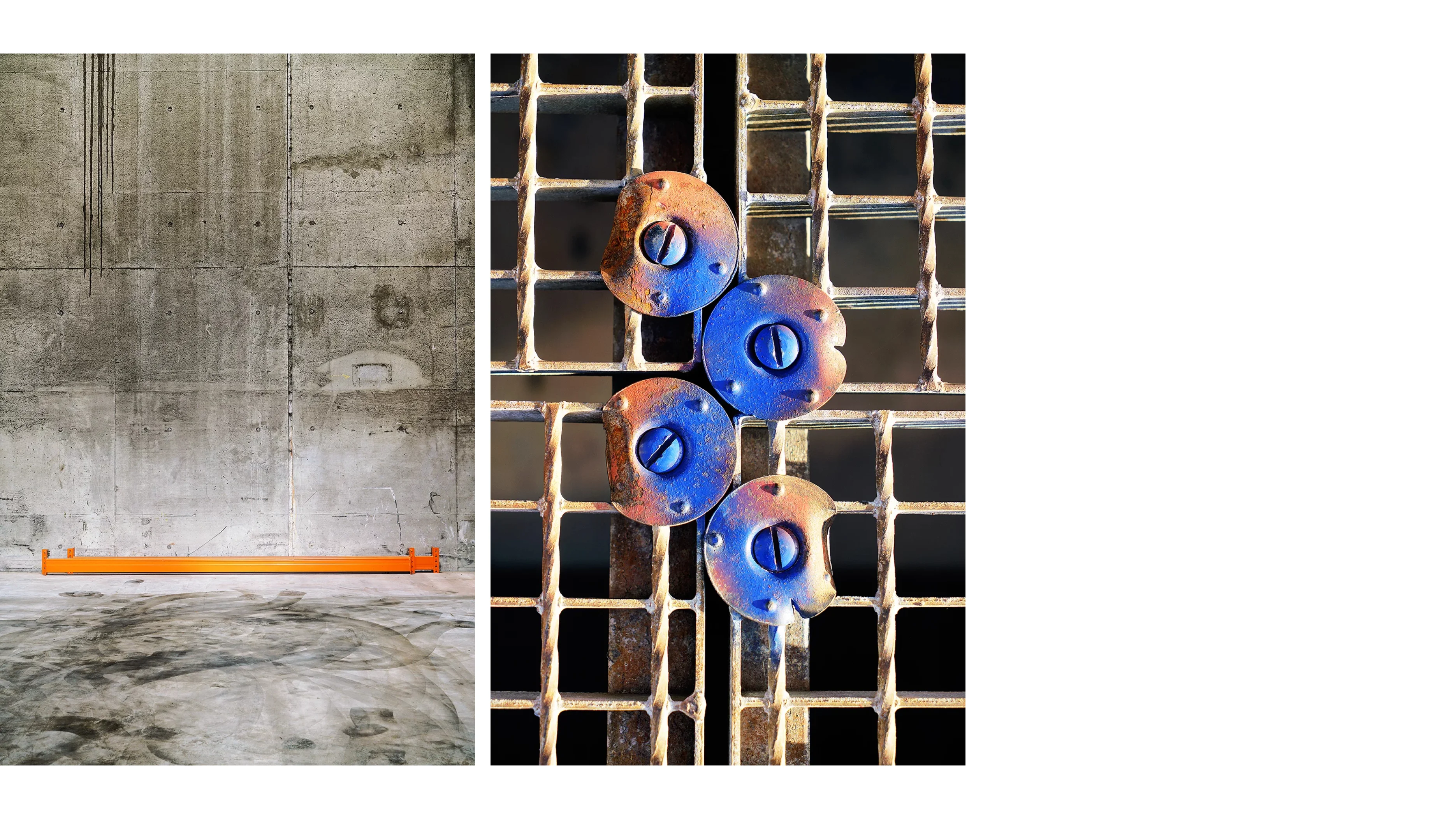
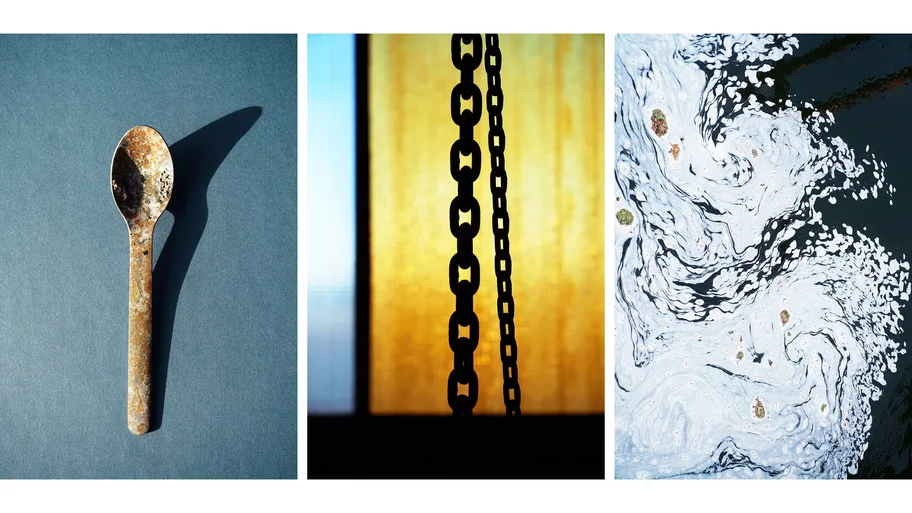
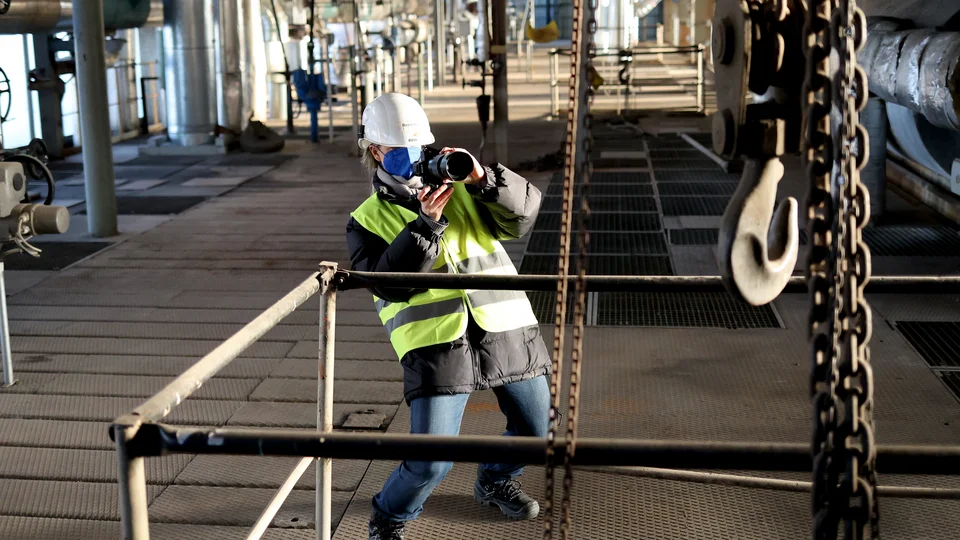
Between December 2021 and January 2022, Jessica Backhaus photographed at the EEW sites in Stapelfeld and Premnitz – with a fine sensitivity for light, colour, and atmosphere. The result is a series of colour-rich works focused on detail. Eight of the pieces were acquired and now hang in the EEW corporate headquarters.
Career highlights
Jessica Backhaus (born 1970 in Cuxhaven) studied photography and visual communications in Paris and worked from 1995 until 2009 in New York. Since 2009, the artist has lived in Berlin. Her work has been shown internationally in numerous solo and group exhibitions. Kunsthalle Erfurt dedicated a major solo museum exhibition to Jessica Backhaus in 2013. Her art can be found in numerous public and private collections.
Artistic perspective
Jessica Backhaus works within the tension between documentation and abstraction. For EEW, she turned her gaze to the unspectacular – surfaces, colours, light reflections, and material textures. The resulting photographs depict everyday objects and scenes, yet through composition and light they are transformed: reduced, vibrant, and intense.
With great precision and a keen sense for mood, she creates images that hover between reality and abstraction. They do not merely document – they interpret, making visible what is often overlooked. Her works leave space for associations and invite viewers to question their habitual ways of seeing.
EEW Art #1
Friederike von Rauch
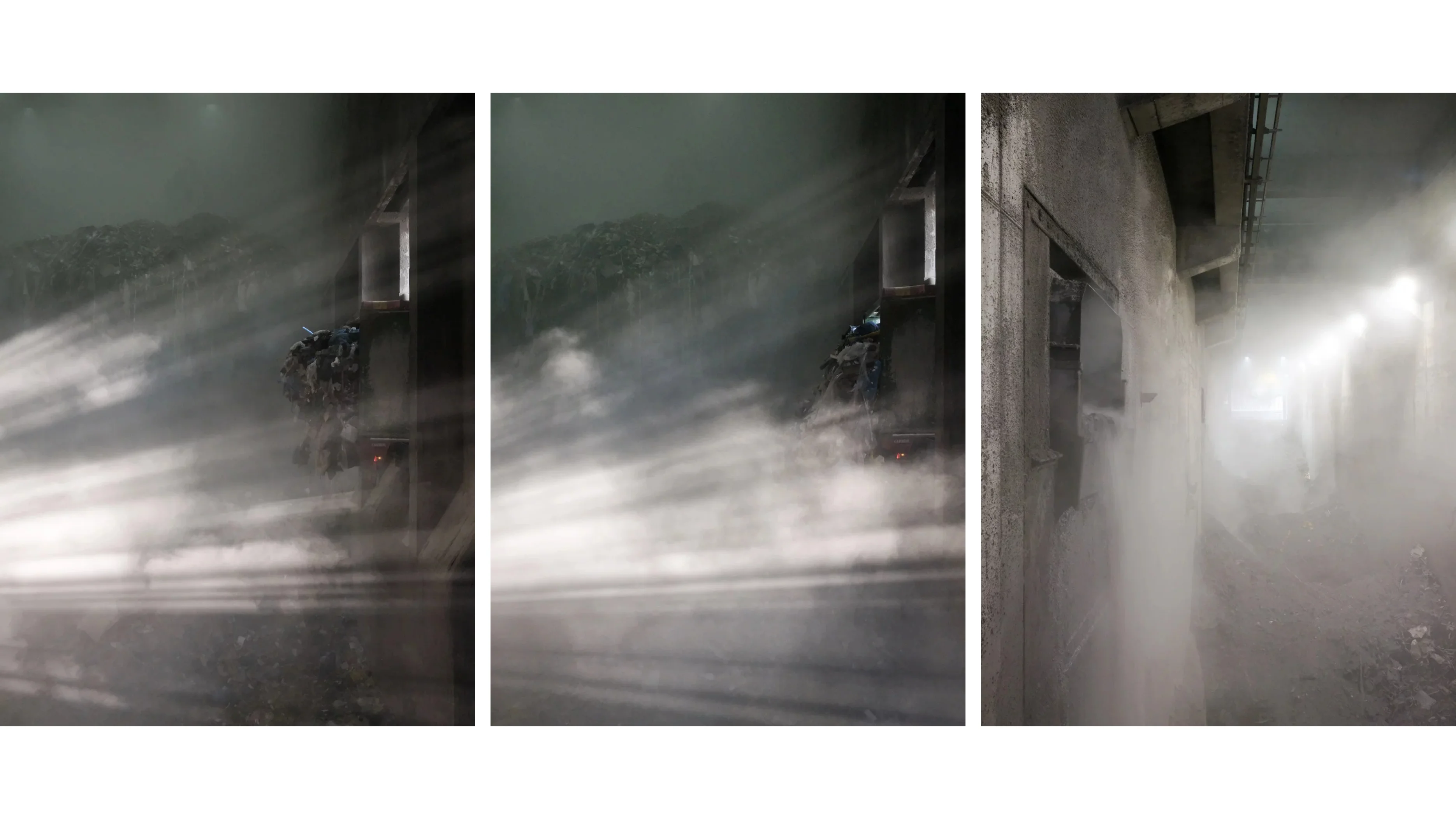
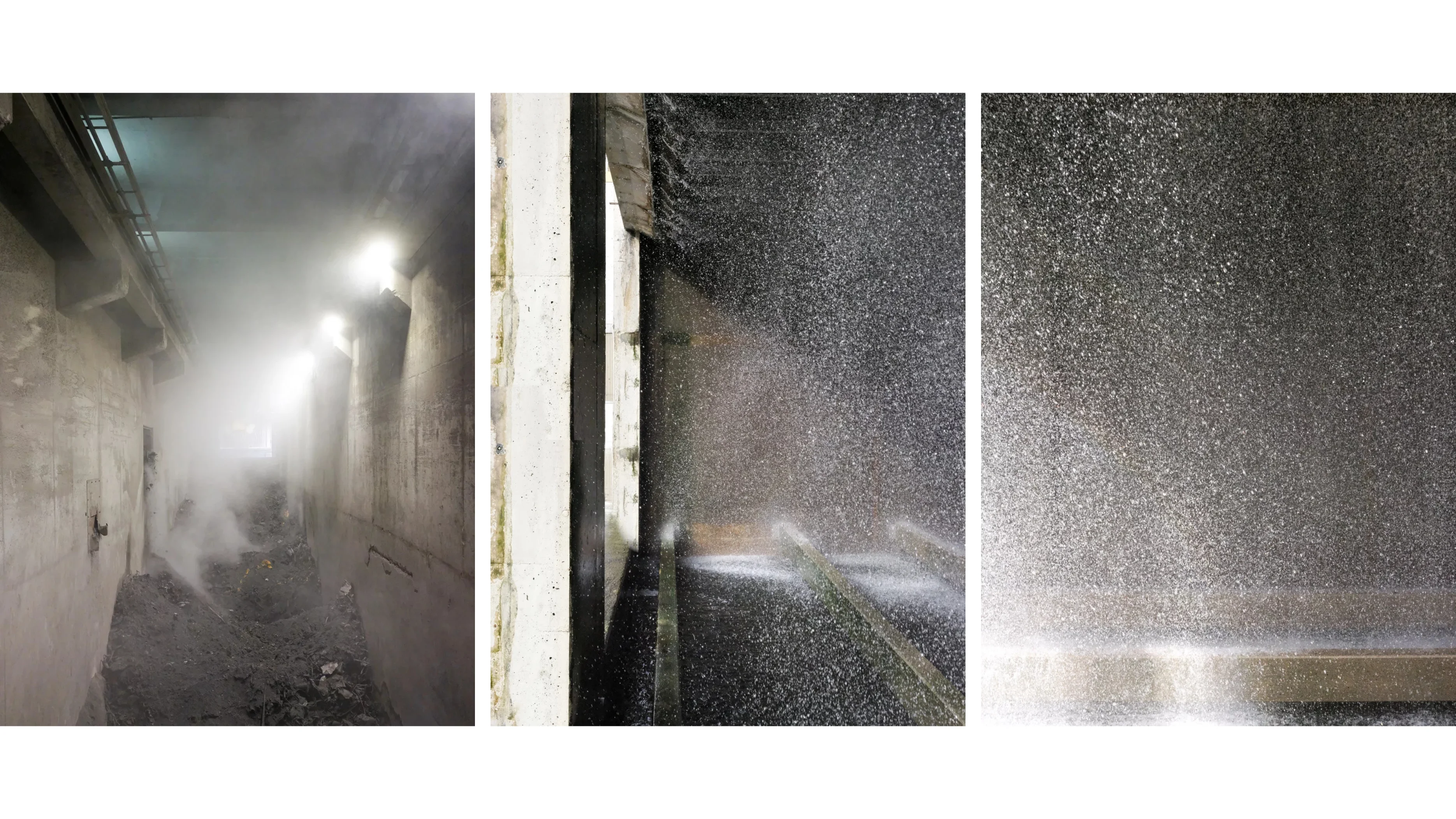
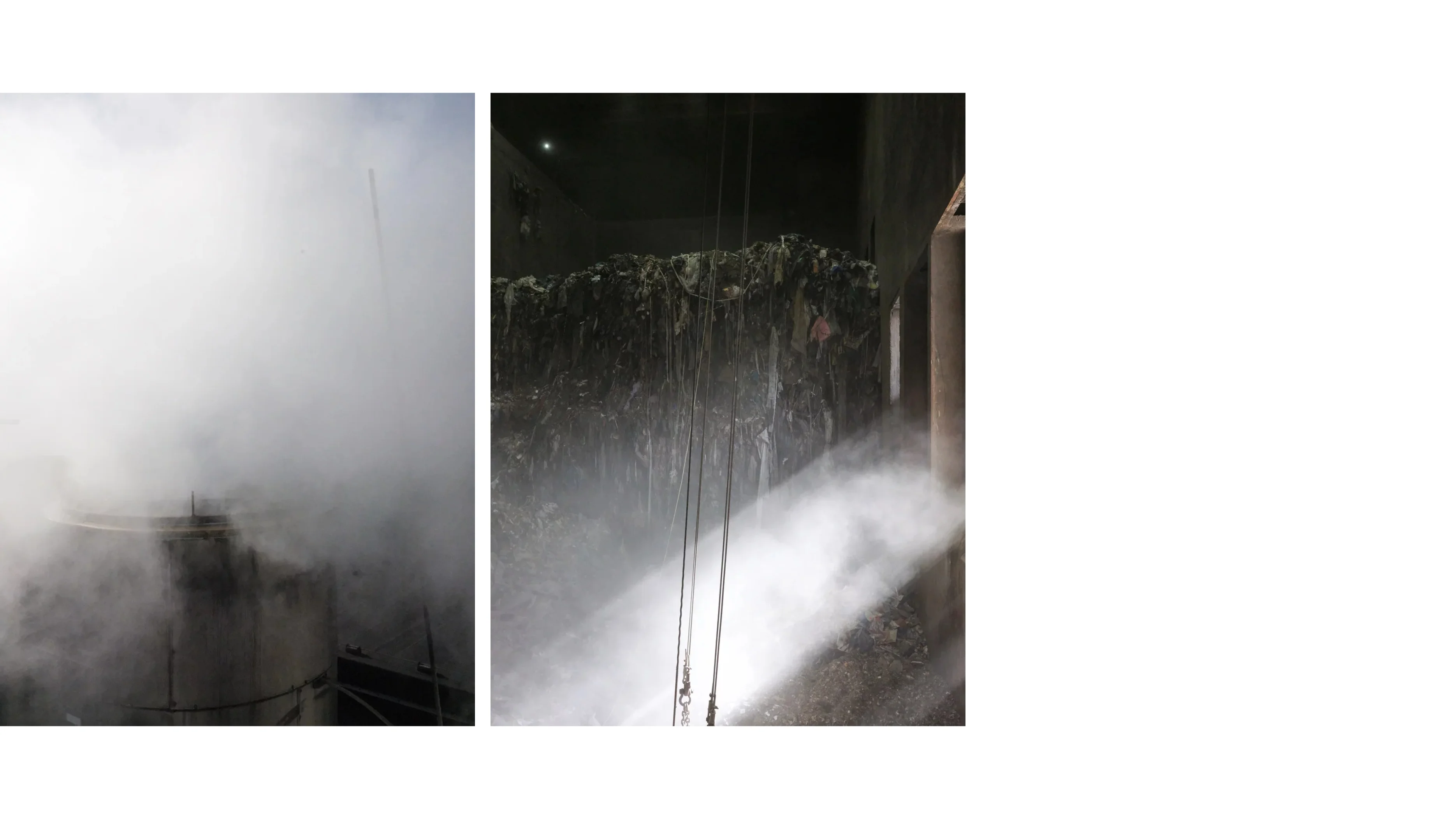
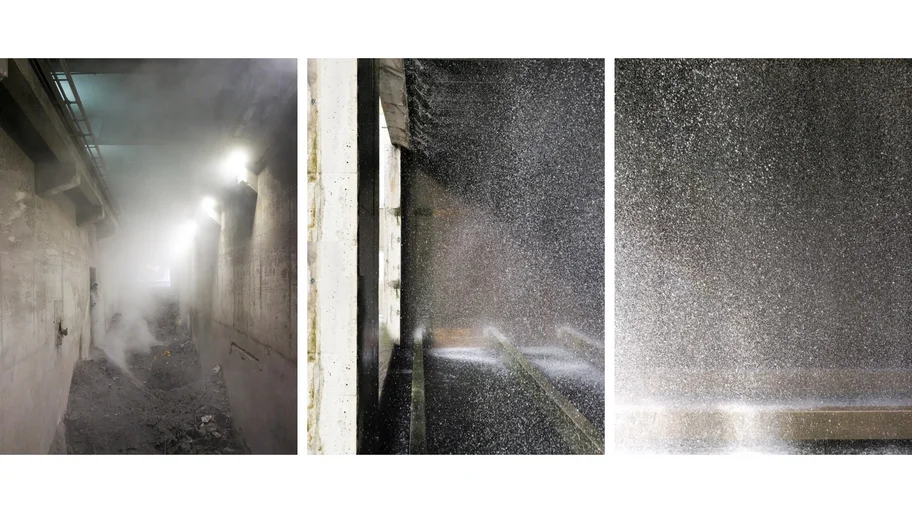
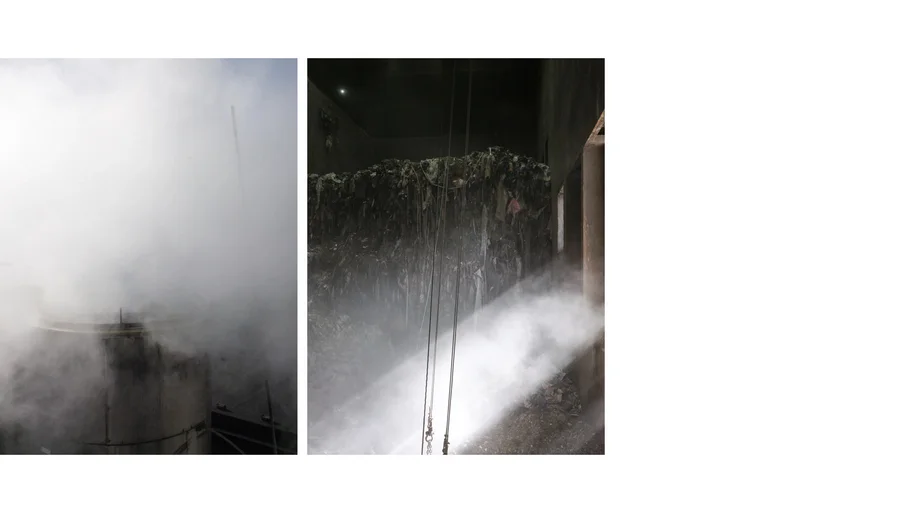
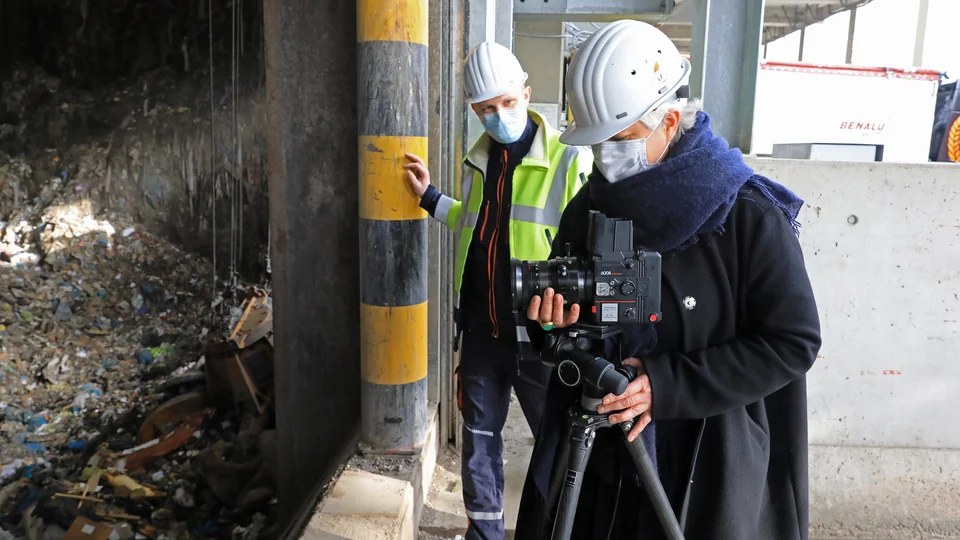
As the first artist in the “EEW Art” series, Friederike von Rauch engaged with our company’s operations during 2020/21. Fascinated by the scale and monumentality of the waste and slag bunker, the Berlin-based photographer focused her lens on the TRV Buschhaus site near Helmstedt. This series resulted in eight works, which have since been exhibited at EEW’s corporate offices in Helmstedt and Berlin.
Career highlights
Friederike von Rauch was born in 1967 in Freiburg and trained as a silversmith before studying design at Berlin University of the Arts. After working as a location scout for international film productions, she started working exclusively as an artist in the early 2000s. Her photographic art has since appeared in numerous solo and group exhibitions in Germany and abroad and can be found in private and public collections. Friederike von Rauch lives and works in Berlin.
Artistic perspective
Friederike von Rauch approaches the essence of space with a calm, reduced visual language. At EEW, too, her focus was not on technical processes, but on the interplay of architecture, light, and atmosphere. In her exploration of the waste and slag bunker at the TRV Buschhaus site, functional spaces are transformed into quiet compositions of light and structure.
Mist, smoke, and reflections obscure the architecture from direct view and open up new, contemplative perspectives. Her photographs lend industrial architecture a poetic and almost sacred quality – becoming a stage for the invisible within the visible.