




Regional cycles and reliable partnerships
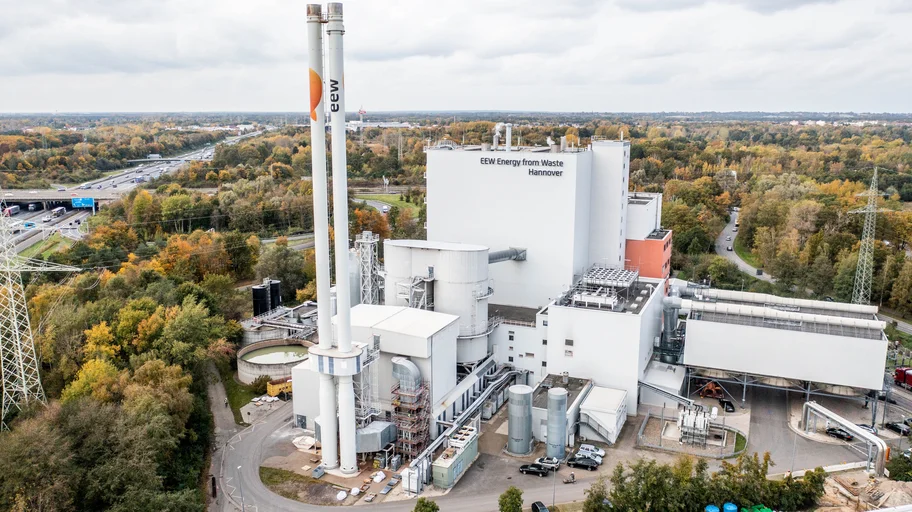
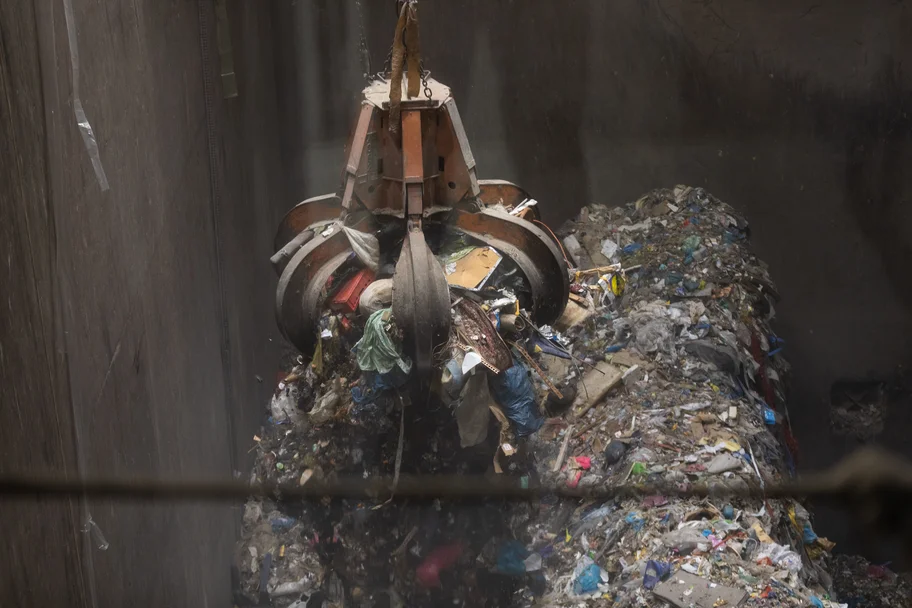
The plant processes around 290,000 tons of waste every year, the majority of which comes directly from the Hanover region. The short transportation routes relieve the burden on the roads and reduce emissions. The residual waste is reliably thermally recycled in close cooperation with the Zweckverband aha.
The energy generated is fed into the district heating and electricity grid. The planned expansion of heat extraction with enercity means that up to a quarter of Hanover's district heating requirements can be covered by the EEW plant in future. The usable heat output is to increase from 50 to 85 megawatts. A long-term supply contract until 2055 creates the basis for this sustainable cooperation.
“We are proud to have been making a contribution to safe disposal and climate-friendly energy supply in Hanover with our plant for 20 years,” says Guido Lücker, Technical Managing Director of EEW Energy from Waste Hannover GmbH. “The close cooperation with aha and enercity shows how regional responsibility, modern technology and security of supply can go hand in hand.”
Efficiency, climate protection and a legal departure
Since commissioning, around five million tons of municipal waste have been treated in an environmentally friendly manner and used to generate energy. Ongoing technical optimizations - for example in the steam turbine, heat recovery and control system - will more than triple energy efficiency to up to 80 percent in the future.
The anniversary also marks a political time window: a new era in German waste management began when the Technical Guidelines for the Disposal of Municipal Solid Waste (TASi) came into force in June 2005. The plant in Hanover was one of the first to be built and operated under these new guidelines and is still a central element of the regional recycling economy today.