



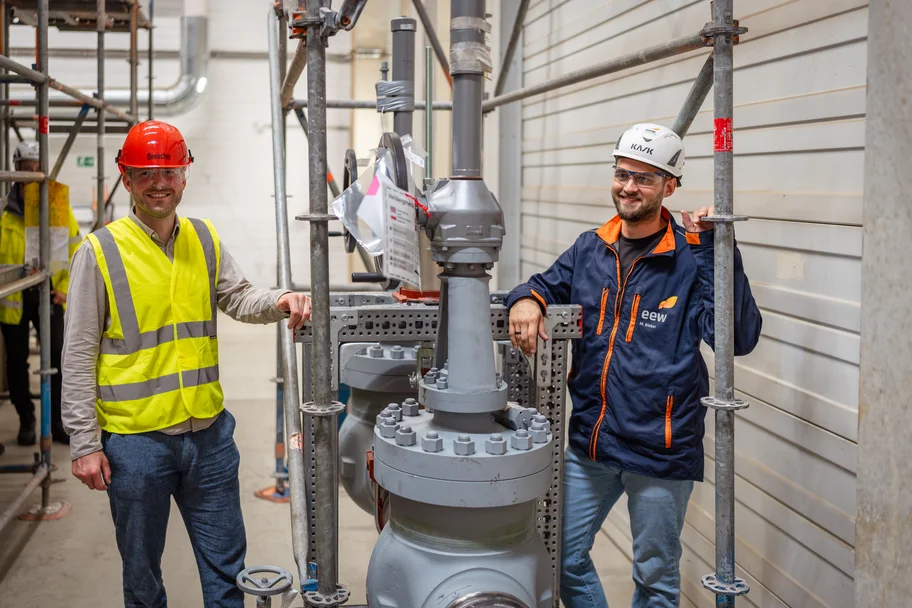
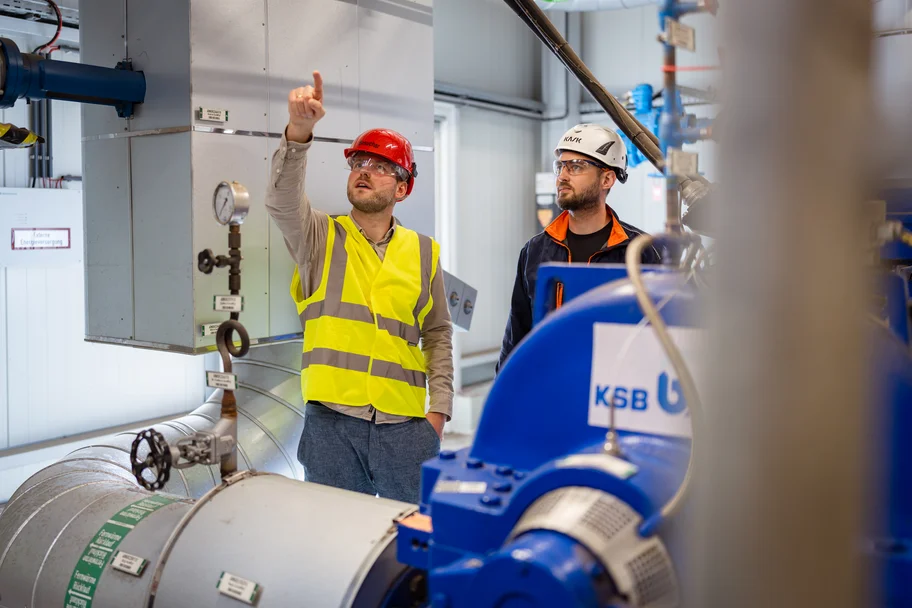
The heat transition in Hannover continues to advance. Following the shutdown of Unit 1 at the Stöcken coal-fired power plant, enercity is expanding its heat generation portfolio with the goal of a complete phase-out of coal. A key component of this portfolio is district heating from waste-to-energy at the EEW site in Hannover-Lahe. EEW is optimizing the existing plant’s energy efficiency, thereby creating the conditions for enercity to feed more heat from waste-to-energy into the district heating network in the future. As the plant operator and heat supplier, EEW is thus making a concrete contribution to more green district heating in Hanover.
EEW is implementing the first measures as part of the plant’s currently ongoing overhaul. The retrofit work is scheduled to be fully completed by the second quarter of 2027. The full additional district heating capacity will be available for the 2027/2028 heating season once the energy efficiency optimization work is complete.
At the same time, enercity is investing in the expansion of the pipelines connecting Hannover-Lahe to Hannover’s district heating network in order to distribute the increased capacity throughout the wider urban area.
Investments Increase District Heating Capacity from 50 to Up to 85 Megawatts
In the future, the energy generated from the region’s waste can be used more flexibly depending on heating demand: When district heating demand is high, EEW can extract significantly more steam for district heating; when heating demand is lower, electricity generation via combined heat and power (CHP) remains possible.
“Through energy optimization, we are creating the technical conditions to provide significantly more district heating from the same amount of waste in the future. To do this, we bypass the turbine in certain operating situations: When district heating demand is very high—especially in winter—we can divert all the steam to the district heating system. In other operating modes, combined heat and power generation with proportional electricity production remains possible. This allows us to reduce heat loss to the environment and increase the plant’s efficiency. The trade-off is lower electricity production when district heating output is higher—but the bottom line is that we gain significantly more usable energy for Hannover,” explains Dr.-Ing. Malte Bieber, technical project manager for energy optimization at EEW’s Hannover site.
In early 2025, enercity and EEW agreed to jointly further expand the potential of the existing thermal waste-to-energy plant and utilize it in the long term for district heating and electricity generation in Hannover. The plant’s maximum heat output will be increased from 50 to a total of up to 85 megawatts through a new steam turbine bypass.
Intelligently Capitalizing on Opportunities in the Volatile Energy Market
“Expanding heat recovery from waste-to-energy is an important step toward green district heating. Utilizing existing waste heat sources makes sense for the heat transition because it allows for better use of existing infrastructure and heat potential.” “The strong collaboration on this project also makes it possible to feed more waste heat into the city’s district heating network as early as next year or to generate electricity efficiently through the smart use of combined heat and power,” says Dr. Conrad Zimmermann, Asset Manager for Thermal Generation and District Heating at enercity.
In the future, enercity will use the optimized plant as another flexible component of its diversified portfolio of electricity and heat generation, through which the company has been active in the energy trading market for years. The plant opens up additional opportunities for sector coupling and smart, market-oriented operation: Depending on demand and market conditions, enercity can decide whether to generate more heat or more electricity. On cold days, the higher heat output can contribute significantly to supply security; when heat demand is lower, the plant can continue to generate electricity.