



EEW Energy from Waste GmbH (EEW) today published its Sustainability Report for the 2025 reporting year. With its eighth edition, the company is consistently advancing its reporting. For the first time, the report is aligned with the European Sustainability Reporting Standards (ESRS) and places a stronger focus on the impacts, risks, and opportunities of its business model. In doing so, EEW underscores its ambition to systematically integrate sustainability into strategy, management, and financing.
From report to decision-making basis
The 2025 Sustainability Report represents an evolved understanding of sustainability. EEW goes beyond presenting individual measures and creates an integrated view of impact, risks, and management. As a result, reporting is increasingly becoming a foundation for corporate decision-making.
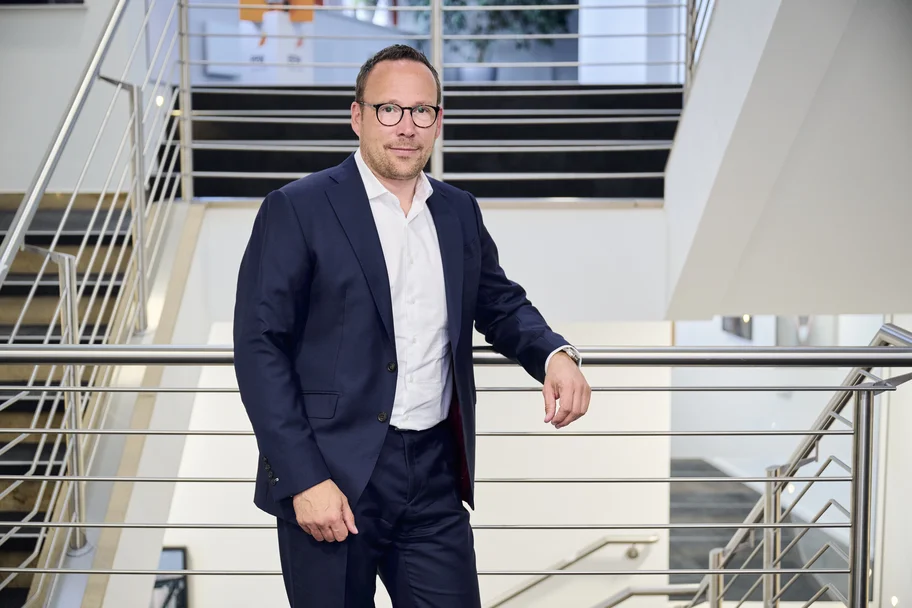
“Sustainability is not a separate reporting topic for us, but an integral part of our corporate management. We create transparency regarding impacts and trade-offs and show how we actively manage them,” explains Timo Poppe, CEO of the EEW Group.
Sustainability in a field of competing core requirements
With its business model, EEW operates within a demanding area of tension: safe waste disposal, reliable energy supply, effective climate protection, and economic viability must be brought into balance. The report makes these interrelationships comprehensible and shows how the company responds with clear priorities and measures.
Focus on measurable impact in key action areas
The 2025 Sustainability Report consolidates EEW’s activities into four central areas:
• Utilizing resources and strengthening the circular economy
• Ensuring disposal security and energy supply
• Making climate impacts transparent and reducing them
• Systematically managing and financing sustainability
This places greater emphasis on the measurable impact of EEW’s actions rather than on individual measures.
EU Taxonomy and sustainable financing integrated for the first time
Another key focus of the report is the initial reporting in alignment with the EU Taxonomy. EEW transparently discloses which portion of its activities qualifies as environmentally sustainable.
Transparency as a basis for further development
In addition to progress, existing challenges are clearly identified and contextualized.
“We are continuously advancing our sustainability reporting and making progress increasingly measurable. In doing so, we create a robust basis for decisions, investments, and the further development of our business model in the context of the energy transition and circular economy,” says Poppe.